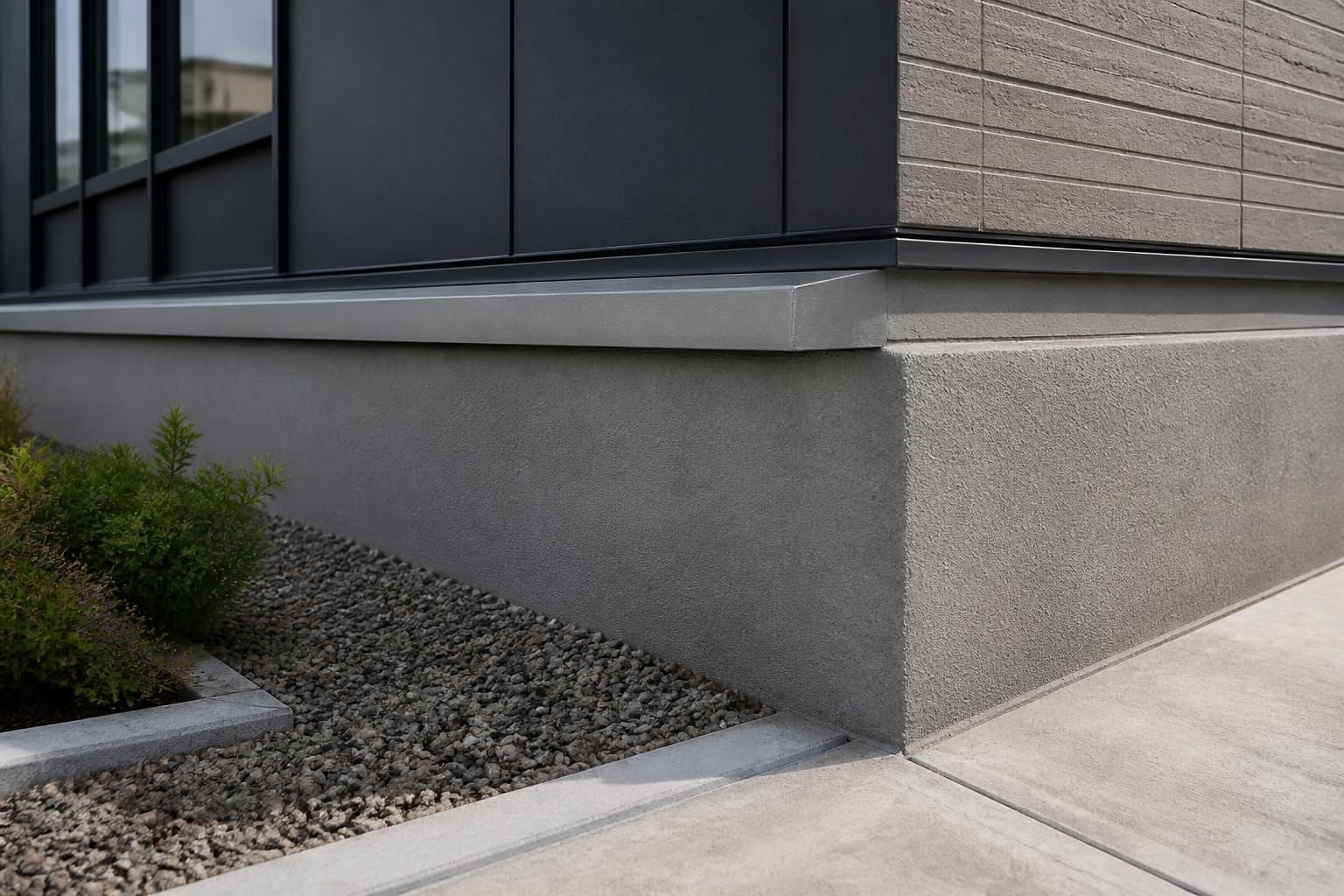
Sugar Land Solid Foundation Repair offers commercial foundation repair in Sugar Land, TX. Cracks along interior walls, doors that drag, and uneven floors can turn a normal workday into a stressful one. If your Sugar Land property is showing movement, the foundation may be shifting under the structure rather than just creating cosmetic damage.
Sugar Land Solid Foundation Repair helps property owners identify the source of that movement and choose a repair path that addresses the cause. For commercial foundation repair, that may mean slab foundation repair, house leveling, pier installation, drainage correction, or tunneling services depending on what the structure needs.
Foundation movement rarely shows up all at once. It usually starts with small changes that keep getting harder to ignore.
If these symptoms are showing up across a commercial building, the structure may be reacting to soil movement rather than isolated wear. A free inspection can help sort out the pattern before more areas are affected.
In Sugar Land, the soil is often the real driver behind foundation damage. The clay here expands when it holds moisture and shrinks as it dries, which puts repeated stress on concrete slabs and support systems.
For commercial properties, that movement can be harder to ignore because the structure carries more load and more foot traffic. Water management, soil changes, and support conditions all matter. If drainage is pushing water toward the building or soil is drying unevenly, the foundation can settle or lift in different sections.
When clay absorbs water, it expands and can press upward against the slab or support points. That pressure can create cracks, uneven floors, and stress around openings.
During drier periods, the soil contracts and leaves voids or weak spots beneath the foundation. That lack of support often leads to settling and visible movement inside the building.
We start with a thorough, free inspection to look for the source of the problem, not just the visible symptoms. That means checking the structure, the pattern of cracking, floor movement, drainage conditions, and the likely soil behavior around the property.
Sugar Land Solid Foundation Repair then explains the findings in plain terms so you can understand what is happening and what each repair would address. A good plan should match the cause. A slab issue does not call for the same fix as a drainage problem, and a settling area may need a different approach than a shifted support point.
We look at where the building is shifting, which cracks are active, and whether the movement points toward settling, lifting, or both.
We assess whether the slab, piers, or underlying support areas are carrying the load the way they should.
Drainage and soil moisture changes often play a large role, so we look for signs that water is contributing to the problem.
We explain the options that fit the structure and the source of damage, including leveling, pier installation, or drainage correction.
Commercial buildings can need different solutions depending on their structure and the type of movement involved. We handle a range of foundation services for properties across Sugar Land.
Some properties also benefit from concrete driveway repair, sidewalk repair, or retaining wall construction when surface movement and drainage concerns are part of the same pattern.
Drainage is often a major part of the repair conversation because foundation movement usually starts with moisture changes around the building. Water that collects near the structure can soften supporting soil and lead to uneven movement. On the other hand, areas that dry too quickly can shrink and pull away from the foundation.
That is why drainage correction can be just as important as structural repair. If the moisture problem remains, the foundation may keep moving after the visible damage is fixed. For many Sugar Land properties, addressing drainage alongside repair work helps reduce repeat stress on the slab and nearby support areas.
Commercial foundation repair requires a practical approach because the building must support daily use while the problem is being addressed. We focus on the structure, the access points, and the likely cause of movement so the repair plan fits the property rather than forcing a one-size-fits-all solution.
That may involve work beneath the slab, along problem areas at the perimeter, or around soil conditions that are affecting the foundation. For some properties, pier installation or tunneling services are the right fit. For others, drainage correction and slab foundation repair may solve the main issue. The goal is to restore stable support and reduce future movement from the same source.
Property owners often want a clear idea of what happens after the inspection. We keep the process straightforward.
We inspect the building, note visible damage, and look for patterns that point to the cause.
We describe what we found without jargon so you can make an informed decision.
We outline the service or combination of services that fits the movement we identified.
We carry out the selected foundation service with attention to the building’s support needs.
If drainage or soil conditions are part of the concern, we explain what should be watched after the repair.
That process helps keep the work centered on the real problem instead of chasing isolated cracks.
Larger commercial footprints in Sugar Land face the full range of local soil challenges — expansive Beaumont clay, a high water table near the Brazos corridor, and the regional subsidence documented in parts of Fort Bend County. On a big slab those forces don't act evenly, so one corner can settle while another heaves. Our commercial work starts with an elevation survey across the whole structure so repairs match how the building is actually moving over Sugar Land ground.
Commercial structures often carry heavier loads and see more traffic, so movement can spread across larger areas and affect more parts of the building.
Not every crack means major structural damage, but repeated or widening cracks often point to movement that deserves a closer look.
Yes. If water is collecting near the building or soil moisture is changing unevenly, drainage work can reduce stress on the foundation.
That depends on how the structure has moved, where support is lacking, and whether the slab or underlying supports need correction.
As a foundation shifts, frames can move out of alignment, which makes doors and windows harder to open or close.
Not always. Older buildings may have different support systems, so the repair plan has to match the structure and the type of movement present.
If your Sugar Land property is showing signs of settling, cracking, or uneven floors, Sugar Land Solid Foundation Repair can inspect the structure and explain what is likely happening beneath it. We serve commercial foundation repair needs with a focus on the cause of movement, not just the visible damage.
We provide foundation repair for homeowners across Sugar Land, including Telfair, Riverstone, and First Colony.
Call +13464205260 to Schedule an inspection and we will help you fix your foundation problems.

Start With an Inspection
Share the signs you have noticed, and we will help you determine whether the issue points to slab movement, settling, drainage trouble, or another foundation concern.