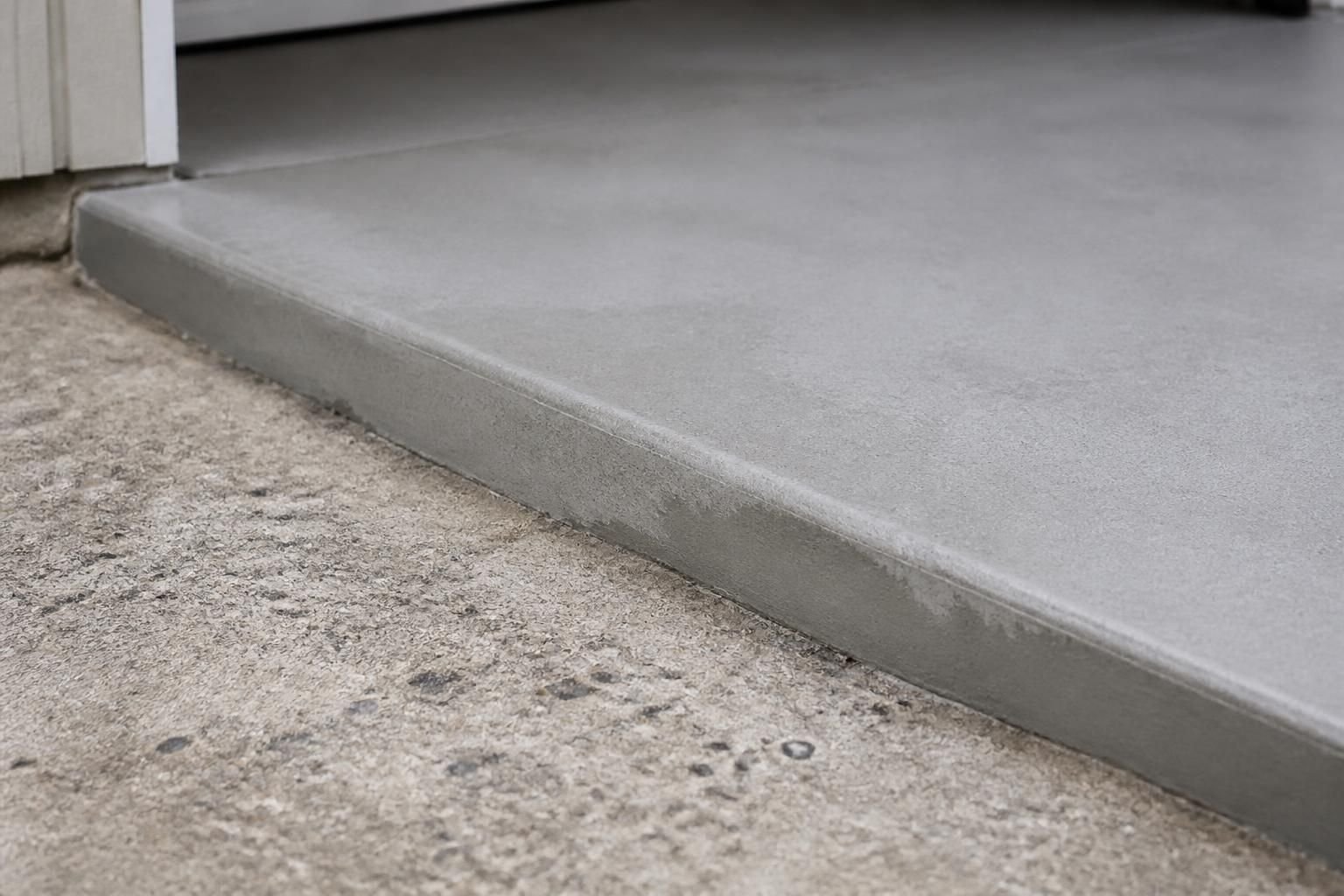
Sugar Land Solid Foundation Repair offers slab foundation repair in Sugar Land, TX. Cracks that keep widening, doors that drag, and floors that feel uneven can all point to slab movement beneath your home. If you are seeing signs like these at your Sugar Land property, the problem is often tied to shifting clay soil that pushes and pulls on the foundation over time.
Sugar Land Solid Foundation Repair starts with a free inspection to find what is actually causing the movement, then explains the findings clearly so you know what comes next. If your slab needs repair, we can address settlement, movement, and drainage-related stress with a solution built around the condition of your home.
Slab problems rarely appear all at once. Most homeowners notice small changes first, then see them grow over time. Catching those changes early can help limit further movement and reduce stress on the structure.
These signs do not always mean the same thing, but they do mean the foundation deserves a close look. We inspect the structure, note where movement is showing up, and help determine whether the problem is active or has been developing for a while.
In Sugar Land, slab foundations sit on expansive clay that reacts strongly to moisture changes. When the soil absorbs water, it expands. When it dries, it shrinks. That push-and-pull cycle can leave parts of a slab unsupported or unevenly loaded, which leads to settlement and stress across the home.
Not every crack means the slab has failed, but recurring movement usually points to a deeper issue than surface wear. A repair plan should account for the soil behavior, the direction of the movement, and the way the home is carrying weight. That is why a clear inspection matters before any repair work begins.
Several conditions can contribute to slab stress, especially when they act together over time:
Dry periods can pull moisture out of clay soil, leaving voids or weak support beneath parts of the slab.
Heavy moisture can make the same soil expand and press unevenly against the foundation.
Water collecting around the perimeter can soften soil and increase movement under load.
One area of the slab may sink faster than the rest, creating uneven floors and structural strain.
At Sugar Land Solid Foundation Repair, we look for the cause behind the symptom, not just the symptom itself.
A useful slab repair starts with a careful evaluation. We examine the visible signs, talk through what you have noticed, and look for patterns that show how the foundation is moving. That helps us separate cosmetic cracks from structural movement that needs attention.
During the inspection, we may look at floor slope, interior cracking, exterior separation, door and window alignment, and signs of drainage stress near the home. If the slab has shifted, the pattern of the movement helps guide the repair approach.
After the inspection, we explain what is happening in plain language. If the slab needs repair, we walk you through the options tied to your home’s condition and the type of movement we found.
Slab foundation repair is not one-size-fits-all. A house with one sinking corner needs a different approach than a home with broader movement across several rooms. The goal is to stabilize the structure and address the cause of the movement as completely as possible.
Depending on the findings, repair may involve support correction, leveling work, or drainage-related improvements that help reduce future soil stress. For some homes, slab repair also pairs with related services such as landscape drainage or root barrier installation when those conditions are contributing to moisture loss or soil disturbance around the foundation.
We do not cover up signs of movement with surface fixes. The work should address what caused the slab to move, or the same symptoms can return later.
Many homeowners want to know what happens once a repair plan is set. Clear communication matters here, especially when you are already dealing with stress around your home. We keep the process straightforward and explain each step before work begins.
We identify the areas showing movement and determine what may be causing the slab to shift.
We outline the recommended approach, including any related drainage or moisture-control work that supports the slab.
We complete the foundation work needed for the condition of your home and the movement pattern we found.
We go over what was addressed so you understand how the repair relates to the symptoms you saw.
If your home has multiple signs of movement, this step-by-step process helps keep the repair focused and understandable rather than overwhelming.
Slab movement often begins with soil behavior, so drainage matters more than many homeowners realize. When water is not directed away from the foundation, the surrounding clay can swell in some places and dry out in others, creating uneven pressure under the slab.
That is why slab repair sometimes needs support from drainage work. In Sugar Land, controlling moisture around the property can help reduce the stress that keeps pushing the slab out of alignment. If tree roots are drawing moisture away from one side of the home, a root barrier may also be part of the long-term plan.
We look for the conditions that are making the slab work harder than it should. That gives the repair a stronger chance of lasting under local soil conditions.
Foundation movement can be unsettling because it affects how your house feels every day. A door that used to close easily now rubs. A floor that once seemed level now feels off. A wall crack that started small suddenly looks wider. Those changes are often the reason homeowners reach out for a closer look.
When Sugar Land Solid Foundation Repair inspects a slab, the goal is not to alarm you. The goal is to give you a clear picture of what is happening so you can make a practical decision. Some homes need targeted slab repair. Others need leveling paired with drainage changes. Either way, the next step should be based on the actual condition of the foundation.
If you have been waiting to see whether the signs will settle down on their own, it may be time to check the slab before the movement becomes more noticeable.
Almost every Sugar Land subdivision is built on slab-on-grade foundations sitting on Beaumont clay. That clay expands when Fort Bend rain saturates it and pulls away from the slab during drought, so slabs here crack from repeated flexing rather than a single settlement event. Add a high water table just a few feet down near the Brazos and Oyster Creek, and moisture rarely stays stable. Our slab repairs are designed around that reality — restoring support and, just as importantly, controlling the moisture swings that caused the movement in the first place.
Cracks that keep widening, appear near doors or windows, or come with sticking doors and uneven floors may point to slab movement. A visual inspection helps separate surface cracking from signs of structural shifting.
Yes. When a slab shifts, frames can move out of alignment, which makes doors rub, stick, or fail to latch the way they should.
No. Some cracks are minor and stay stable, while others reflect ongoing movement. The pattern, location, and size of the crack matter more than the crack alone.
The local clay expands with moisture and shrinks when it dries. That repeated change can press on the slab or leave parts of it without even support.
Yes. Poor drainage can soften soil near the foundation and create uneven support, which often makes slab movement more likely over time.
Make a note of the cracks, sticking doors, or uneven areas you have noticed and when they started. That information helps us understand how the issue may be developing.
If you are seeing signs of slab movement at your Sugar Land home, Sugar Land Solid Foundation Repair can inspect the foundation and explain what the symptoms mean. We work with slab repair, leveling, drainage-related concerns, and the soil conditions that often drive the damage.
Related services include Pier Installation and Tunneling Services.
We provide foundation repair for homeowners across Sugar Land, including Sugar Creek, First Colony, and Riverstone.
Call +13464205260 to Schedule an inspection and we will help you fix your foundation problems.

Start With an Inspection
Share the signs you have noticed, and we will help you determine whether the issue points to slab movement, settling, drainage trouble, or another foundation concern.