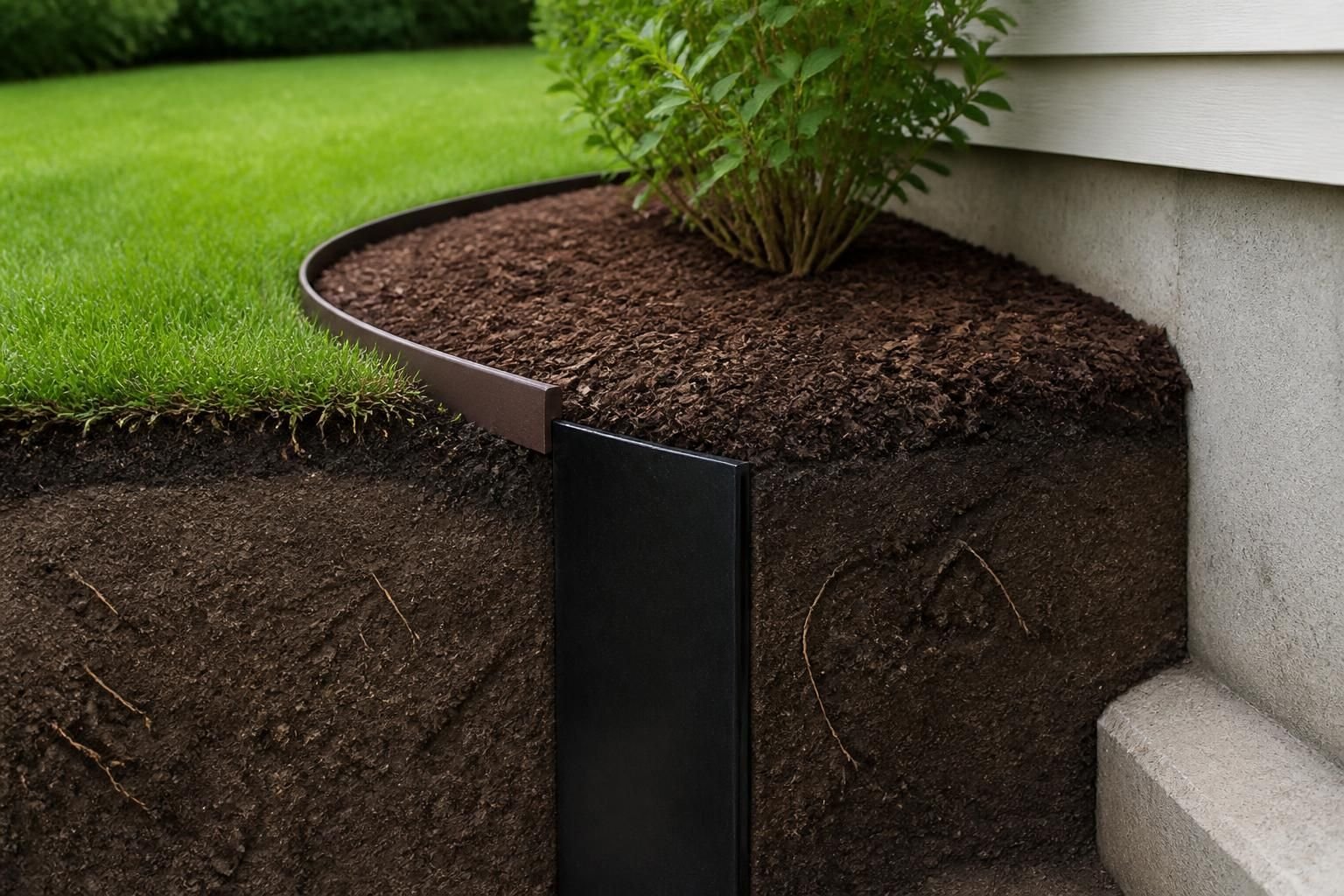
Sugar Land Solid Foundation Repair offers root barrier installation in Sugar Land, TX. If your floors are starting to slope, cracks keep reopening, or doors and windows have begun to stick, the problem may be tied to the soil around your foundation. In Sugar Land, shifting moisture often causes roots to chase water toward the structure, which can make soil movement even worse.
Sugar Land Solid Foundation Repair helps homeowners address that pressure with root barrier installation designed to redirect roots away from the foundation zone. If your home shows signs of movement or drying soil near the slab, we can inspect the area and recommend a practical next step.
Root barriers create a physical boundary that discourages roots from growing toward the foundation and other sensitive areas. They do not stop a tree or shrub from needing water, but they help guide root growth away from places where moisture changes can affect soil around your home.
For many Sugar Land properties, the goal is not to remove every root nearby. The goal is to reduce the chance that roots pull moisture from critical soil zones or push into places that contribute to movement. That matters when slab foundations are already dealing with clay soil that expands and contracts.
A barrier can reduce root intrusion near the perimeter, limit disturbance to the soil close to the foundation, and support a more stable moisture pattern around vulnerable areas. That gives your foundation a better chance to remain even over time.
We place barriers where root pressure is most likely to affect the structure, commonly along the perimeter near problem trees, shrubs, walkways, or landscape areas that are too close to the home.
Foundation movement can have several causes, but root pressure often leaves a pattern homeowners can notice. If you are seeing repeated changes near the same side of the house, a root barrier may deserve a closer look.
These signs do not always point to the same fix, which is why inspection matters. A root barrier can be part of the solution, but only after we understand how moisture and movement are interacting at your property.
At Sugar Land Solid Foundation Repair, we start with a free inspection so we can look at the foundation, the surrounding grade, and the areas where roots may be affecting soil conditions. That helps us separate root-related movement from other foundation concerns.
During the visit, we look for visible symptoms, measure affected areas, and evaluate how close vegetation is to the structure. If root activity is contributing to the problem, we explain what that means and whether a barrier makes sense for your home.
This step matters because root barrier installation should support the foundation, not be installed as a guess.
Root barrier installation is a targeted process. The barrier must be placed deep enough and in the right location to redirect roots without creating unnecessary disturbance around your home. We plan the work around the site conditions and the service area we need to protect.
When the layout calls for it, the barrier may be paired with other foundation services such as drainage correction, slab foundation repair, house leveling, or pier installation. That combination helps address the cause instead of only managing one symptom.
Every property is different, so the exact method depends on the layout, the tree or shrub location, and how the soil is reacting around your home.
Root barriers often work best when they are part of a broader foundation plan. If the slab has already moved, the barrier can help protect the area from repeated stress after other repairs are completed. If drainage or soil movement is the bigger issue, we may suggest a different or additional service.
For Sugar Land homes, this often means combining barrier installation with one or more of the following:
That approach helps create a repair plan that addresses both the cause and the damage already visible on the house.
Homes across Sugar Land are often built on concrete slabs, which means the soil beneath and around the structure matters a great deal. When roots are too close, they can affect moisture levels near the foundation and intensify movement already caused by Gulf Coast clay soils.
That is why root barrier installation is more than a landscaping upgrade. For the right home, it becomes part of protecting the structure from repeated soil changes. Sugar Land Solid Foundation Repair focuses on this connection because foundation problems rarely start with just one symptom.
We often see interest in root barriers when a homeowner notices one side of the house moving more than the rest, when large trees are close to the structure, or when cracks keep reappearing after surface repairs. In those cases, the goal is to reduce what keeps pulling the soil out of balance.
After a root barrier is installed, it is still important to pay attention to changes around the home. The barrier can help redirect roots, but the foundation and surrounding soil should still be monitored for movement, especially if the home has already shown signs of shifting.
Watch for new cracks, shifting doors, or changes in floor level. If those symptoms continue, there may be another soil or drainage issue that needs attention. We can help you sort out whether the barrier is doing its job or whether another repair should be considered.
Mature live oaks and other large trees — common in older communities like Sugar Creek — pull enormous amounts of moisture out of Sugar Land's clay during dry spells. As the soil under one side of the slab dries and contracts, that corner drops. A properly placed root barrier keeps roots from de-watering the clay right against your foundation, a targeted fix for the tree-and-clay conflicts we see throughout Fort Bend.
Look for repeated cracks, sticking doors, and uneven floors near areas where trees or large shrubs are close to the house. An inspection can confirm whether roots are part of the problem.
No, the barrier is meant to redirect future root growth away from the foundation zone. Existing roots may still need to be evaluated as part of the repair plan.
Yes, especially when roots are contributing to moisture changes near a slab. They are often most helpful when paired with other foundation repairs as needed.
Not always. Some properties handle nearby vegetation well, while others show movement from root pressure or drying soil. The layout and soil conditions determine whether a barrier makes sense.
We choose the location based on where root activity is affecting the foundation zone, the placement of trees or shrubs, and the signs of movement on the home.
They can, especially when root activity is one of the reasons soil keeps changing around the structure. That makes them a useful part of a long-term foundation plan for some Sugar Land homes.
If you are seeing cracks, slope changes, or recurring foundation movement, root barrier installation may be part of the answer. Sugar Land Solid Foundation Repair offers free inspections so you can understand what is happening around your home before the damage spreads.
We provide foundation repair for homeowners across Sugar Land, including First Colony, Sugar Creek, and Greatwood.
Call +13464205260 to Schedule an inspection and we will help you fix your foundation problems.

Start With an Inspection
Share the signs you have noticed, and we will help you determine whether the issue points to slab movement, settling, drainage trouble, or another foundation concern.