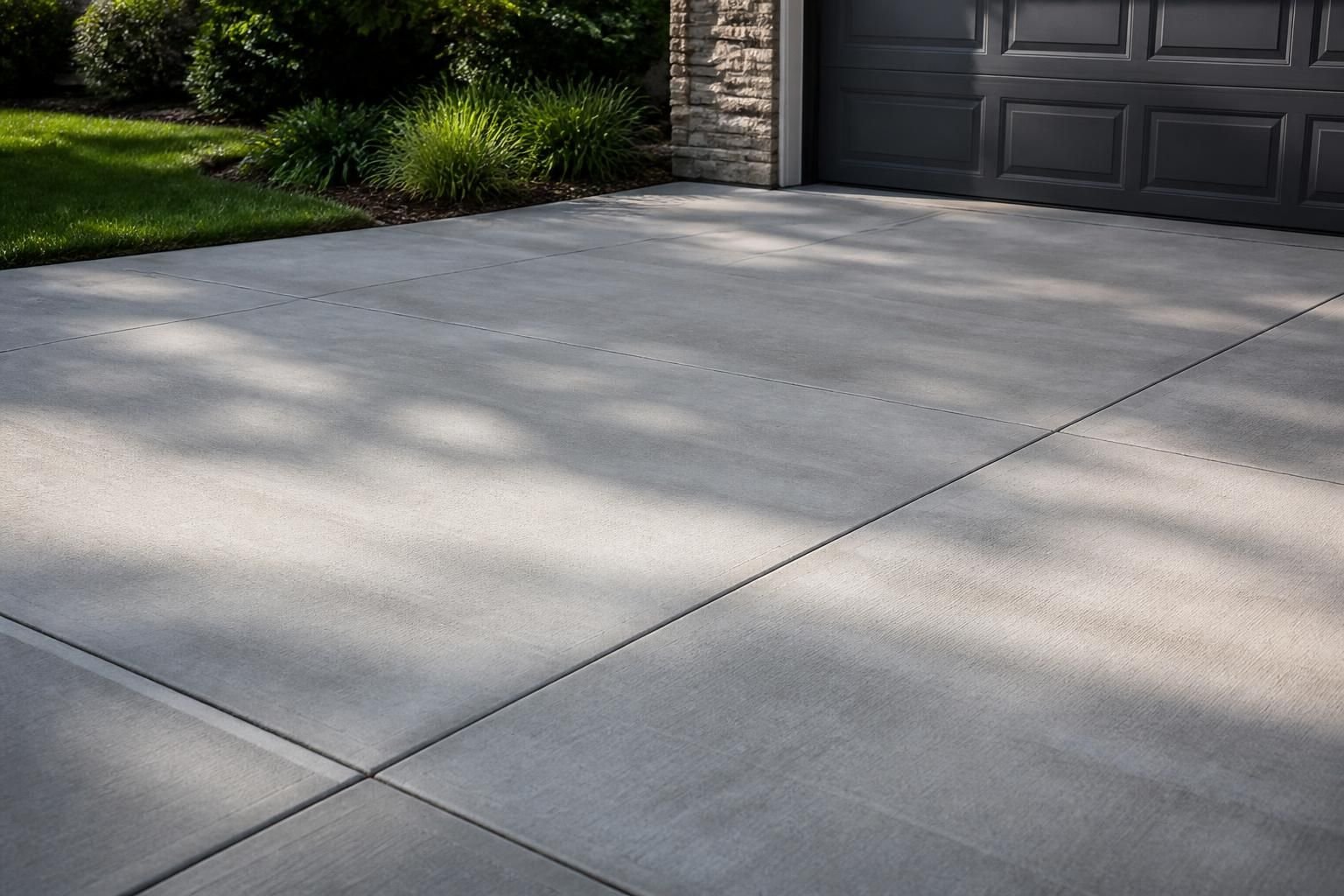
Sugar Land Solid Foundation Repair offers concrete driveway repair in Sugar Land, TX. Cracks spreading across your driveway, a slab edge lifting, or a dip that collects water are signs your concrete is changing under load. When that driveway starts to shift, it can become harder to park, harder to walk, and more likely to keep breaking apart.
Sugar Land Solid Foundation Repair helps homeowners across Sugar Land with concrete driveway repair that addresses the cause, not just the visible surface damage. If your driveway has settled, separated, or broken near the garage or street, we can inspect it, explain what is happening, and recommend the right repair path for your property.
Driveway problems often start small. A hairline crack may look harmless at first, but once the slab begins moving, that crack can widen, branch, or leave a jagged edge that catches tires and creates a tripping point.
Common warning signs include:
Those symptoms often point to soil movement under the concrete. In Sugar Land, that matters because concrete driveways sit on ground that can shift as moisture changes. If the slab loses support below, the concrete can sink, crack, or tilt.
Concrete itself does not usually fail on its own. The trouble starts when the base below the slab changes. Once that support moves, the driveway follows.
Clay-heavy soil expands when it takes on moisture and shrinks as it dries out. That repeated change can push one area of a driveway up while another section settles. Over time, the slab starts to crack at the weak points.
When water drains toward the driveway or sits beside it, the soil below can soften and lose strength. Even a small grading problem may lead to one edge settling lower than the rest.
Driveways take daily use from cars, trucks, and foot traffic. If the slab already has a void below it, repeated loading can make the damage spread faster.
Sugar Land Solid Foundation Repair looks at the whole system: the slab, the base below it, the nearby soil, and the drainage pattern around the driveway. That wider view helps us determine whether the concrete needs leveling, crack repair, or support work tied to the movement underneath.
We start with a free inspection so you know what is happening before any work begins. The goal is to separate surface cracking from structural movement and give you a straightforward plan.
We check crack patterns, slab height differences, edge breakdown, and areas where water collects.
We examine nearby concrete, the garage transition, and any signs that the slab has shifted over time.
We consider soil conditions, drainage flow, and whether the issue is tied to settlement, heaving, or both.
We go over what we found in plain language so you can decide how to move forward with confidence.
This inspection matters because not every crack calls for the same repair. A thin cosmetic line may need one type of attention, while a section that has dropped several inches needs a stronger structural solution.
Concrete driveway repair can take several forms depending on what the slab is doing and how far the damage has progressed. We recommend the approach that matches the condition of the driveway, not a one-size-fits-all fix.
Some driveways need a single repair. Others need a combination of work to address both the visible damage and the condition below it. The right approach depends on the amount of movement, the age of the slab, and how the surrounding soil is behaving.
A driveway repair should do more than make the surface look less cracked. It should improve how the slab sits, how it holds up under daily use, and how it handles the conditions that caused the damage.
When the repair fits the problem, homeowners often notice:
That matters because driveway damage rarely stays isolated. Once one section moves, adjoining sections can begin to follow. Addressing it early can help limit the spread.
Driveway damage can connect to other concrete or foundation concerns, especially when the soil below has been shifting for a while. If we find that the driveway is affected by broader movement, we may discuss related services that fit the condition of the property.
If the driveway is dropping near the home, the same soil movement may also be affecting the foundation. In that case, we can look for signs that point beyond the driveway surface.
Water management can play a major part in how long driveway repairs last. When drainage is corrected, the repaired slab has a better chance of staying stable.
For homeowners who need more than a surface fix, Sugar Land Solid Foundation Repair can also evaluate whether the situation ties into house leveling, slab foundation repair, pier installation, root barrier installation, landscape drainage, or tunneling services when those services fit the problem.
Many homeowners put off driveway repair because the damage seems small at first. Then the crack widens, the surface shifts more, and parking becomes less comfortable. Taking a close look sooner can keep the repair plan simpler.
Here is what a typical path looks like:
We review the driveway, note the symptoms, and identify likely causes.
We explain the recommended service and what it is intended to correct.
We complete the concrete driveway repair with attention to the slab condition and the underlying movement.
We walk through the completed work and discuss any next steps if the driveway is linked to broader site drainage or foundation concerns.
Sugar Land Solid Foundation Repair keeps the process direct and practical. The goal is to help you understand the damage, the cause, and the fix without guesswork.
Driveways and flatwork are poured shallow, so they feel Sugar Land's clay even more than the house does. When the gumbo swells after heavy rain it can lift a driveway panel; when it shrinks in summer the slab drops and cracks at the joints. Flat Fort Bend terrain that holds standing water only accelerates it. We lift and stabilize the concrete and address the drainage feeding the movement, so the repair holds through the local wet-dry cycle.
Yes, many driveways can be repaired without full replacement. The right solution depends on whether the problem is a crack, a settled slab, or movement below the concrete.
Sinking near the garage usually points to soil settling, voids below the slab, or drainage issues that weaken support under that section.
If the soil below keeps moving, a crack can return even after surface patching. That is why identifying the cause matters before choosing a repair.
Yes. Small cracks can be the first sign of slab movement, especially when they widen, spread, or appear with uneven sections.
It can, if the water is pooling because part of the slab has settled or because the concrete slope has changed. Drainage issues may also need separate attention.
They do. In Sugar Land, soil movement can push, drop, or tilt concrete over time, which is why the driveway and the ground below should be evaluated together.
If your driveway is cracked, uneven, or starting to separate from the garage or walkways, Sugar Land Solid Foundation Repair can take a look and tell you what is driving the damage. We serve Sugar Land homeowners with clear assessments and concrete driveway repair plans built around the actual condition of the slab.
Related services include Sidewalk Repair.
We provide foundation repair for homeowners across Sugar Land, including Katy, Fulshear, and Richmond.
Call +13464205260 to Schedule an inspection and we will help you fix your foundation problems.

Start With an Inspection
Share the signs you have noticed, and we will help you determine whether the issue points to slab movement, settling, drainage trouble, or another foundation concern.