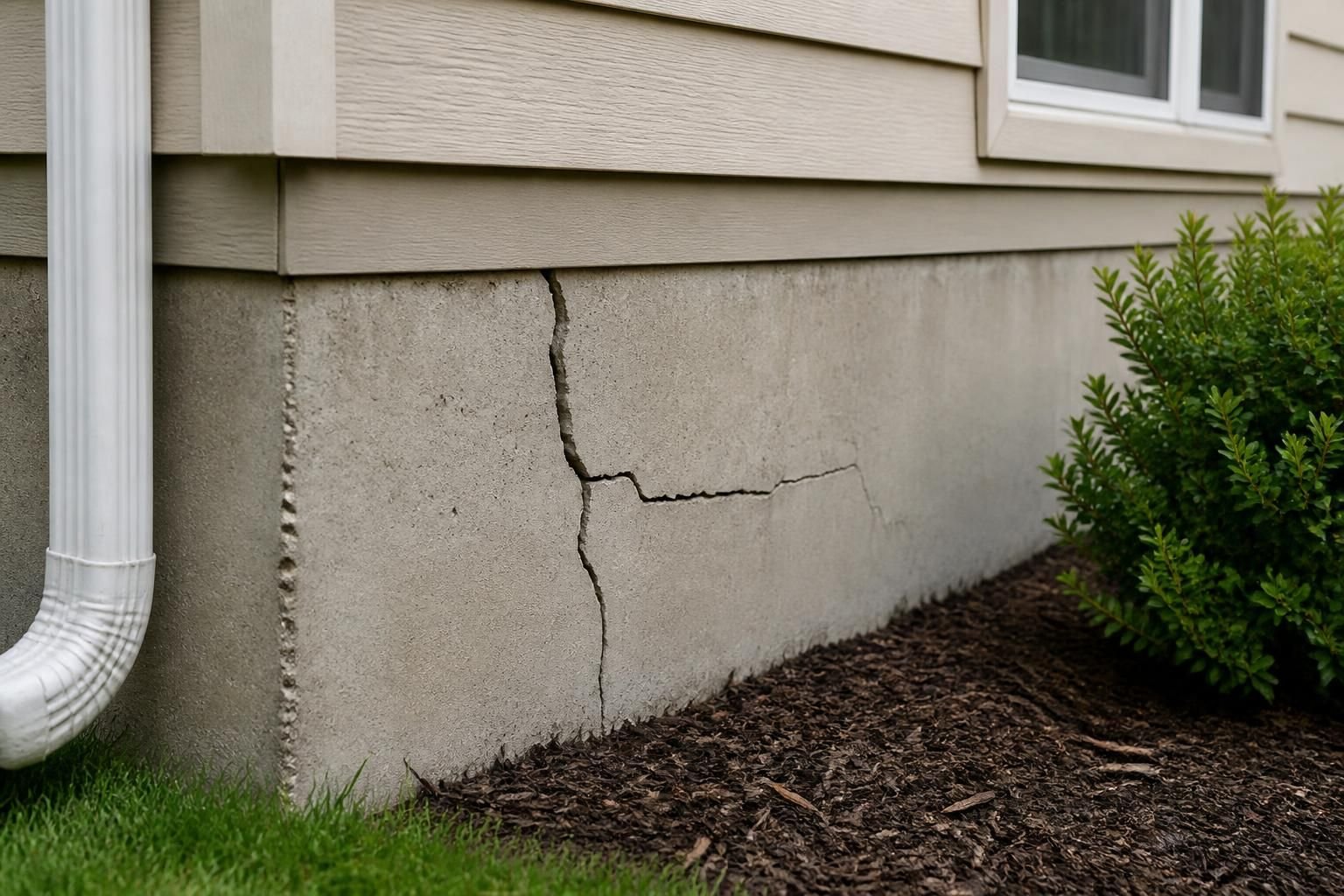
Sugar Land Solid Foundation Repair offers foundation inspection in Sugar Land, TX. If cracks are spreading across your walls, doors are sticking, or a floor feels uneven, the problem may be starting at the foundation. In Sugar Land, those changes often point to soil movement beneath the home, and waiting usually makes the repair more involved.
Sugar Land Solid Foundation Repair provides Foundation Inspection for homeowners who want a clear answer before the damage spreads. We look for the source of movement, explain what we find, and help you understand whether your home needs slab foundation repair, pier and beam leveling, drainage correction, or another targeted fix.
Foundation movement does not always start with one dramatic crack. Many homes show smaller clues first, and those clues are easy to dismiss until they start appearing together. A foundation inspection is worth scheduling when you notice changes that do not seem to go away on their own.
These signs do not always mean the same repair, which is why a foundation inspection matters. The inspection helps connect the symptom to the cause instead of guessing based on appearance alone.
A good inspection should tell you more than whether cracks exist. It should explain what those cracks mean and where the movement may be coming from. During a Foundation Inspection, we look at the full picture so the next step makes sense.
Inside the home, we look for evidence of movement around walls, doors, windows, flooring, trim, and ceilings. Small changes in alignment can reveal whether the foundation is settling, shifting, or reacting to moisture changes below the structure.
Outside, we check visible cracks, slab edges, grade conditions, drainage patterns, and signs that soil may be pushing or pulling at the foundation. We also pay attention to areas where runoff collects or where water may be affecting the soil around the home.
Homes on concrete slabs and homes with pier and beam systems show different warning patterns. Because Sugar Land has many slab foundations, we often evaluate whether the slab has moved due to expanding and shrinking clay soils. For older pier and beam properties, we look for evidence that leveling may be needed.
We keep the inspection process straightforward so you know what is happening and why. Sugar Land Solid Foundation Repair starts by listening to the symptoms you have noticed, then we examine the property for the likely cause of movement. After that, we explain our findings in plain language.
The goal is not to bury you in jargon. The goal is to help you understand what the home is telling you so you can make a confident decision.
Foundation problems across Sugar Land often trace back to the same force: expansive clay soils. That clay expands when it absorbs moisture and contracts when it dries out. Over time, that cycle can shift a foundation enough to create visible cracks and alignment problems inside the home.
Because the soil itself is a major factor, a Foundation Inspection here needs to look beyond the surface damage. A crack may show up on an interior wall, but the real cause may be uneven soil moisture, drainage patterns, or long-term movement under the slab. That is why we treat the inspection as a search for the source, not just the symptom.
When soil movement is the driver, a repair plan may involve more than one service. Depending on what we find, that may include slab foundation repair, landscape drainage work, root barrier installation, or pier installation for homes that need support adjustments.
Not every home needs the same solution, and a careful inspection helps narrow the options. Once we understand how the structure is moving, we can point you toward the service that fits the problem instead of applying a broad fix.
If the home sits on a concrete slab, we look for signs that the slab has shifted, settled, or reacted to moisture changes in the soil. Slab foundation repair may be the right next step when the structure shows movement tied to foundation support rather than surface damage alone.
For homes built with pier and beam construction, we evaluate whether leveling is needed and whether support points have shifted over time. These homes often show different symptoms than slabs, so the inspection must match the structure.
When water is collecting near the home, the soil may be swelling too much in some areas and drying out in others. In those cases, drainage correction can be part of the answer, especially when repeated moisture changes are affecting the foundation.
A useful inspection should leave you with direction, not confusion. After the visit, you should know what is happening, why it is happening, and which repair path is most sensible for your home.
Many homeowners reach out because they want reassurance, but they stay relieved because they finally have a plan. That clarity matters when foundation changes are affecting daily life.
Foundation problems tend to affect more than the slab or support system. They can show up as interior cracks, uneven floors, misaligned windows, and stress around trim or finishes. A timely inspection helps you understand whether the home is still changing and whether the movement is likely to spread.
For some homes, the answer may be a targeted repair. For others, the inspection may reveal that several conditions are working together, such as soil movement, drainage concerns, and structural shifting. The sooner those factors are identified, the easier it is to plan a repair that addresses the root cause.
If you have already noticed changes but are unsure how serious they are, a foundation inspection gives you a starting point. It can help prevent guesswork and keep small warning signs from turning into bigger structural concerns.
Sugar Land sits on Beaumont clay — the highly expansive "Texas gumbo" laid down by the Brazos River and Oyster Creek. This soil can swell several inches when it takes on water and shrink back just as far in a dry Fort Bend summer, and parts of the county have also seen ground subsidence tied to decades of groundwater withdrawal. Because of that, a credible inspection here measures elevations across the whole slab, checks moisture at the perimeter, and looks at how water drains off your lot — not just where the visible cracks are. We map the actual movement so the diagnosis reflects Sugar Land conditions rather than a generic checklist.
Cracks that grow, sticking doors, uneven floors, and gaps around trim or windows are common reasons to schedule a Foundation Inspection. Any change that seems to be worsening deserves a closer look.
No. Some cracks are cosmetic, while others point to movement below the home. The inspection helps separate surface damage from patterns that suggest structural shifting.
Yes. When water collects around the home or soil moisture changes too much, the ground can expand and contract enough to affect the foundation. That is why drainage is part of the inspection process.
Slab homes are common across Sugar Land, so we pay close attention to signs that the slab has moved. The inspection helps determine whether slab foundation repair may be needed.
We look for symptoms such as sloping floors, interior separation, and alignment changes that suggest the structure is no longer sitting evenly. Those clues help point toward house leveling when appropriate.
Yes. Older homes may show different movement patterns, especially if they have pier and beam construction. An inspection helps identify whether support adjustment, leveling, or another repair is the right fit.
If your home is showing signs of movement, do not wait for the damage to become harder to ignore. Sugar Land Solid Foundation Repair provides Foundation Inspection for homeowners who want a clear, practical evaluation and a repair path that fits the problem.
We provide foundation repair for homeowners across Sugar Land, including First Colony, Sugar Creek, and Missouri City.
Call +13464205260 to Schedule an inspection and we will help you fix your foundation problems.

Start With an Inspection
Share the signs you have noticed, and we will help you determine whether the issue points to slab movement, settling, drainage trouble, or another foundation concern.