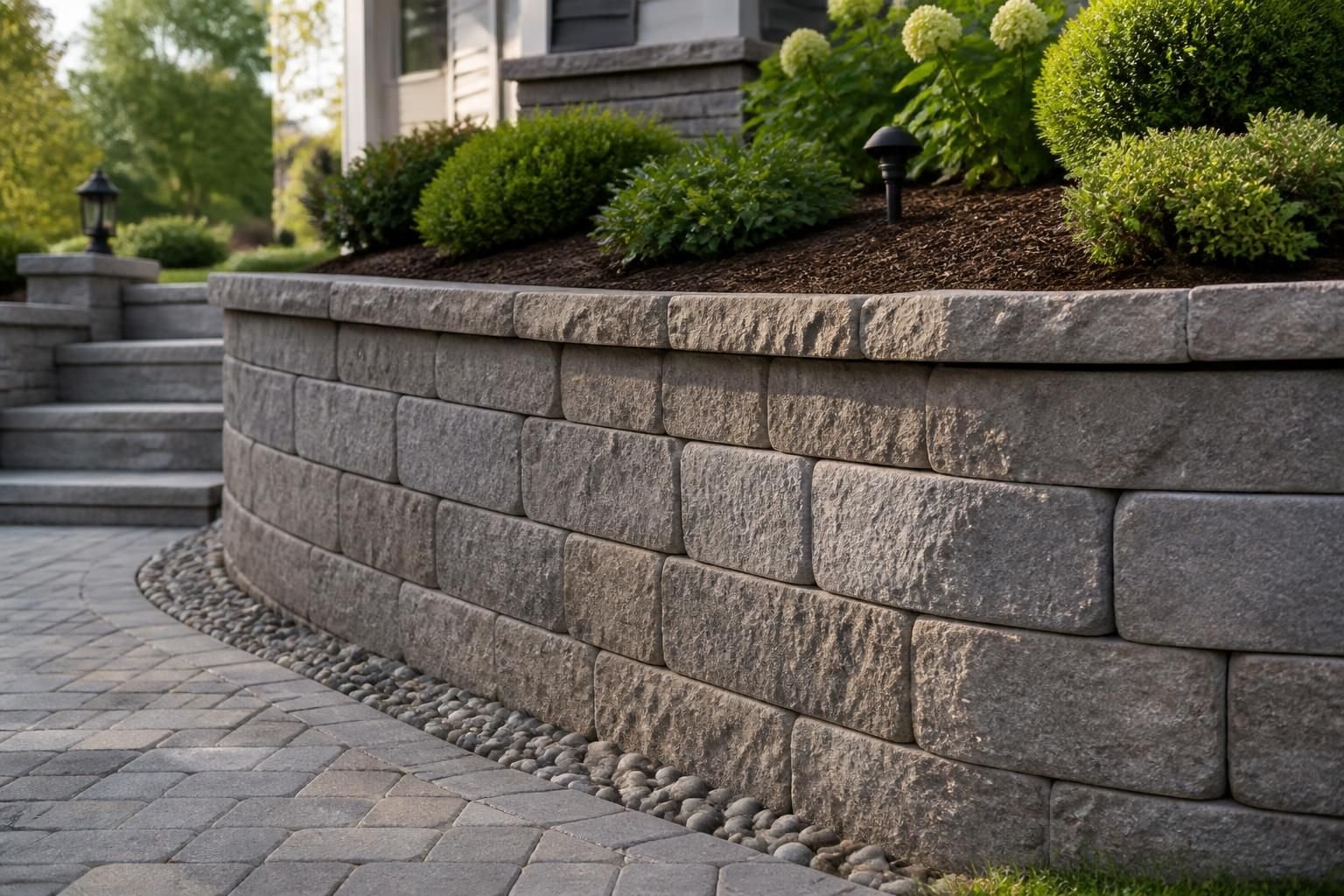
Sugar Land Solid Foundation Repair offers retaining wall construction in Sugar Land, TX. Cracking, leaning, or bulging walls around a yard are often more than a cosmetic problem. When soil shifts, drains poorly, or slopes begin to push against hardscape, the wall can start to move, separate, or lose alignment with the ground around it. Sugar Land homeowners who notice those warning signs often need a closer look before the damage spreads.
Sugar Land Solid Foundation Repair provides retaining wall construction for properties that need support, better drainage control, and a more stable outdoor layout. If your yard is showing signs of soil pressure, washed-out sections, or uneven grades, we can inspect the site, explain what is happening, and recommend a wall plan that fits the conditions around your home.
Retaining wall problems usually start small. A hairline crack, a slight lean, or a damp section behind the wall can signal that the structure is under pressure or that water is collecting where it should not. The earlier those clues are addressed, the more options you usually have for construction and correction.
Homeowners often call us after noticing one or more of these signs:
These symptoms do not always mean the whole wall must be replaced, but they do mean the site should be evaluated before the problem becomes harder to manage.
A retaining wall is not just a decorative border. It holds back soil, creates usable flat space, and helps manage grade changes across a property. When built with the right layout, it can reduce pressure on nearby structures and keep soil where it belongs.
For many Sugar Land properties, the goal is to do more than stack materials and hope for the best. The wall must account for slope, drainage, soil load, and how water moves after rain. If those forces are ignored, the wall may settle, tilt, or let water build up behind it.
Retaining walls are useful when a yard needs a stable edge, a raised planting area, a transition between different elevations, or a cleaner boundary around a slope. They can also support landscaping changes that would otherwise let soil shift toward walkways or foundation-adjacent areas.
Walls often fail when drainage is poor, the base is not prepared for the load, or the wall was built without enough support for the height and pressure behind it. Over time, saturated soil adds weight and pushes against the structure. That is why a wall should be designed with both strength and water movement in mind.
Sugar Land Solid Foundation Repair starts with a site inspection so we can understand the slope, soil conditions, and any visible movement around the area. From there, we talk through what the wall needs to do and what the finished space should support. The goal is to build with the site, not against it.
Each step matters because a retaining wall is only as reliable as the ground and drainage supporting it.
Water is one of the biggest reasons retaining walls move. When water collects behind the wall, it increases pressure and can begin to force the structure outward. That pressure builds quietly, especially after repeated wet and dry cycles.
Good retaining wall construction accounts for where runoff comes from and where it should go. Depending on the site, that may involve grading adjustments, drainage pathways, or other methods that reduce water buildup behind the wall. Without that planning, even a well-built wall can be strained by the soil behind it.
When we inspect a property, we pay attention to these conditions because a wall should support both the soil and the way water moves across the yard.
Different sites call for different wall layouts, and the right choice depends on the height of the wall, the pressure behind it, and how the area will be used. A wall near a garden bed may have different needs than one supporting a raised slope beside a driveway or walkway.
We focus on the structure, alignment, and site conditions first. That means planning for the wall to hold shape while also fitting the rest of the property. A good design should look intentional from the outside and feel stable over time.
These details affect whether the wall stays straight or starts to move under pressure.
Retaining wall concerns often show up alongside other outdoor issues. Soil movement can affect nearby walkways, driveways, or sloped areas, and a wall may be part of a larger correction plan rather than a stand-alone fix.
That is why we look at the full area, not just the visible damage. If the wall is holding soil near a foundation-adjacent space, poor grading or runoff can contribute to movement elsewhere on the property. A retaining wall should support the landscape without creating new stress points.
Sugar Land Solid Foundation Repair handles retaining wall construction as part of a broader understanding of how soil and structure interact across Sugar Land properties. When the wall is tied to other yard conditions, we explain how each part affects the next so you can make a practical decision.
Homeowners often want to know what happens after they schedule an inspection. We keep the process straightforward and focused on the property at hand. You will get a clear look at the problem area, an explanation of the cause, and a recommendation based on the site conditions.
That conversation should give you enough information to understand whether the wall needs new construction, a replacement, or a redesign tied to drainage and grade changes. We do not push a one-size-fits-all answer because retaining walls depend on the shape and strain of the yard itself.
If the issue is still early, there may be more options. If the wall has already shifted significantly, a stronger rebuild may be the safer path. Either way, the inspection is the place to start.
Lots near Oyster Creek, the Brazos, and the many detention lakes across Sugar Land's master-planned communities deal with grade changes and standing water on expansive clay. A retaining wall here has to do double duty — holding back soil and managing the water that our flat, slow-draining Fort Bend terrain leaves behind. We build with drainage engineered for local rainfall so the wall and the soil behind it stay put.
Look for leaning, cracking, bulging, separated joints, or soil loss near the base. Water stains and sudden gaps around the wall are also worth attention.
Yes. Retaining walls are often used to create level sections, hold back higher soil, and make sloped outdoor space more usable.
Water adds weight and pressure to the soil behind the wall. When that water cannot drain away, the wall has to resist a heavier load.
Most do. Drainage is one of the main factors that helps a wall stay stable, especially where soil stays wet after rain.
Yes. Retaining wall construction often connects with grading, drainage correction, and changes to how the yard is shaped around the wall.
It helps to note where you noticed movement, when it started, and whether water collects near the area. Photos can also be useful if the problem changes after rain.
If your yard needs a stronger slope solution or a wall that can handle shifting soil, Sugar Land Solid Foundation Repair can help you plan the next step. We work with Sugar Land homeowners who want a retaining wall built around the real conditions on their property, not just the visible surface problem.
Reach out for an inspection and a clear conversation about what your wall needs, what is driving the movement, and how to move forward with a stable solution.
Related services include Landscape Drainage.
We provide foundation repair for homeowners across Sugar Land, including Greatwood, Riverstone, and Telfair.
Call +13464205260 to Schedule an inspection and we will help you fix your foundation problems.

Start With an Inspection
Share the signs you have noticed, and we will help you determine whether the issue points to slab movement, settling, drainage trouble, or another foundation concern.