Sugar Land Solid Foundation Repair wrote this guide for Sugar Land homeowners and the nearby Fort Bend area.
If you have noticed a new crack, a sticking door, or a floor that feels uneven, the first step is a foundation inspection — not a repair quote. A good inspection tells you whether there is a real structural problem, what is causing it, and what (if anything) needs to be done. Many Sugar Land homeowners put it off because they are not sure what an inspection involves or worry it will lead to a hard sell. This guide walks through exactly what happens during a professional foundation inspection in Sugar Land, so you know what to expect and how to tell a thorough one from a superficial one.
Why inspections matter on Sugar Land soil
Foundations here sit on expansive Beaumont clay that swells and shrinks with moisture, so movement is common and often gradual. The trouble is that the same symptoms — cracks, sticking doors, sloping floors — can come from anything between harmless seasonal shifting and serious settlement. Only a proper inspection distinguishes the two. Catching genuine movement early, while a fix might be as simple as drainage and monitoring, can save thousands compared with waiting until major underpinning is required. That is why an inspection is the foundation of every good decision about your home.
Before the inspection: what to prepare
You can make the visit more productive with a little prep. Clear access to the perimeter of the house and to any interior areas of concern, note when you first saw each symptom and whether it is getting worse, and gather any prior repair records or plumbing history. If your home is pier-and-beam, make sure the crawl-space access is reachable. None of this is required, but it helps the inspector build an accurate picture faster.
Step 1: The exterior walk-around
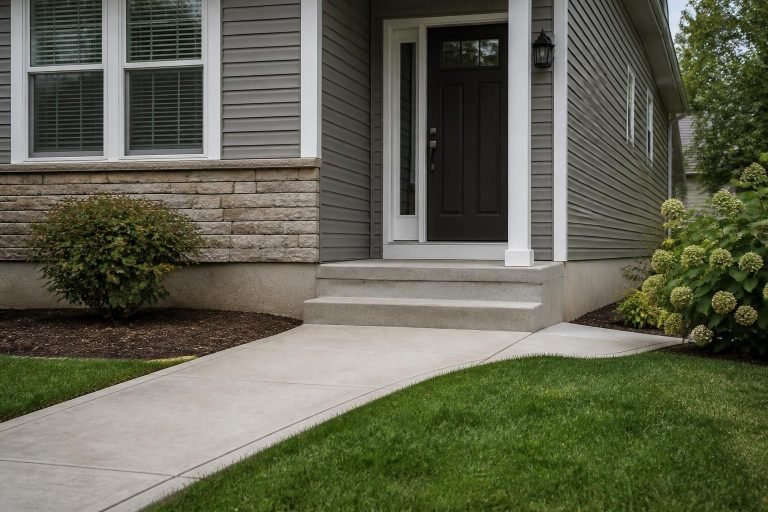
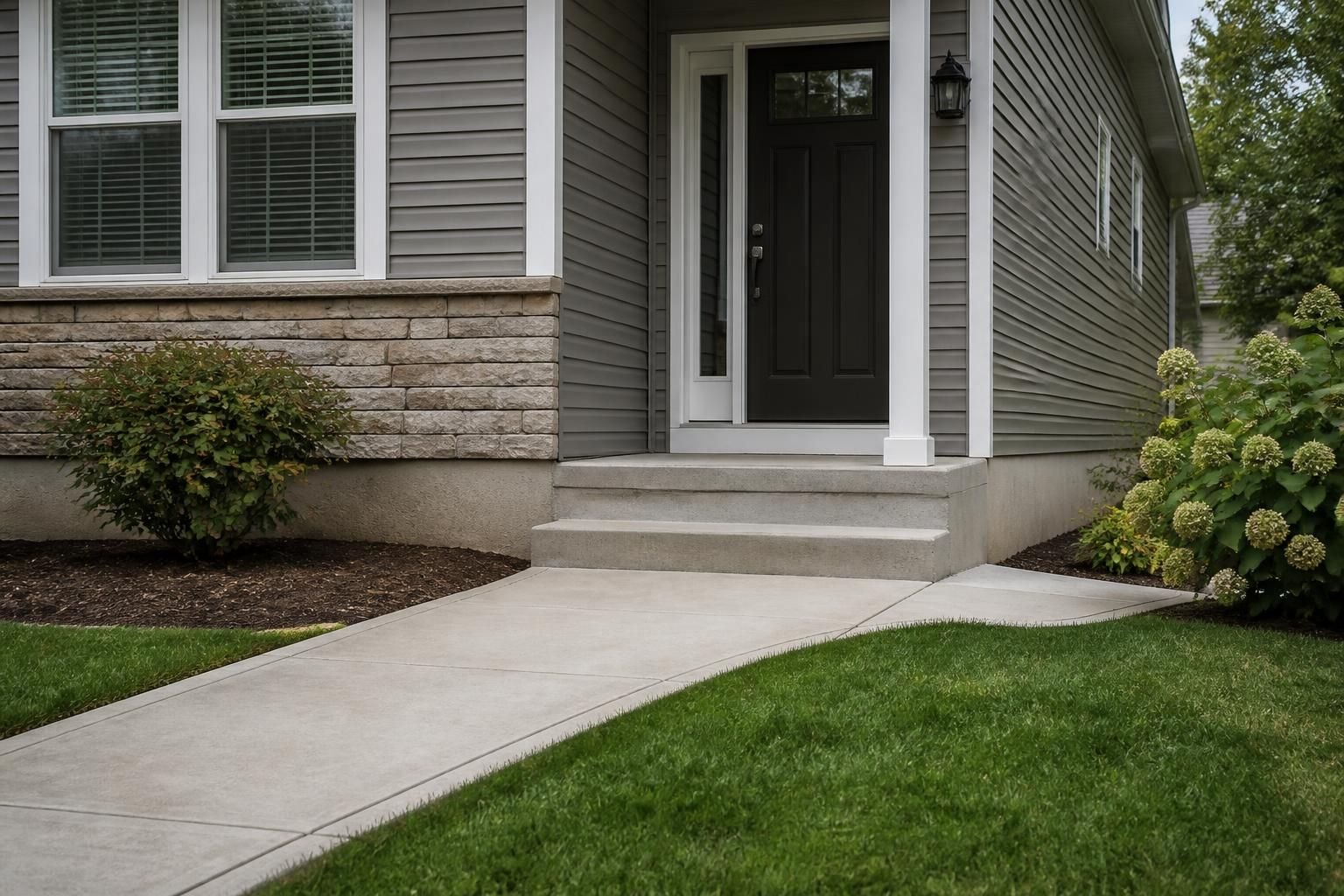
A thorough inspection starts outside. The inspector examines the foundation perimeter, brick and masonry for cracking and separation, the mortar joints, and the way the slab meets the ground. Just as important, they look at grading and drainage — where water flows during rain, whether soil slopes toward or away from the house, the condition of gutters and downspouts, and any low spots that hold water. On our flat, clay terrain, drainage is so central that a good Sugar Land inspection treats it as a core part of the diagnosis, not an afterthought.
Step 2: The interior assessment
Inside, the inspector documents the visible symptoms: cracks in drywall and their direction, gaps between walls and ceilings, doors and windows that stick or fail to latch, separating tile or trim, and any obvious slope in the floors. The pattern of these signs matters as much as any single crack — diagonal cracking from door corners paired with sticking doors, for example, tells a very different story than a lone hairline crack. Each finding is noted and, in a good inspection, photographed.
Step 3: Elevation measurements
This is the heart of a professional foundation inspection and what separates it from a casual look. Using a manometer (a precise floor-level survey tool) or laser leveling, the inspector measures the relative elevation at many points across the floor. The result is essentially a topographic map of your slab, showing exactly where it has heaved up or settled down and by how much — often in fractions of an inch. This objective data is what turns “the floor feels off” into a measured diagnosis, and it forms the basis for any repair plan and pier count. If a company skips elevation readings, they are guessing.
Step 4: Moisture and drainage evaluation
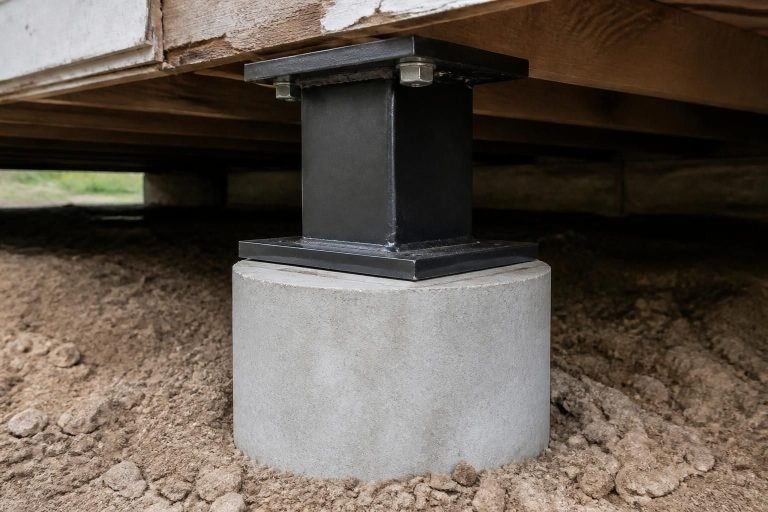
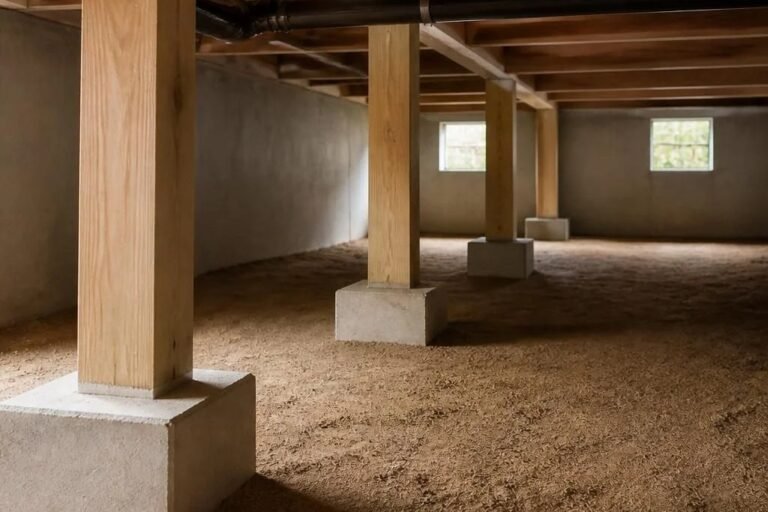
Because water drives clay movement, the inspector assesses moisture conditions around and sometimes under the home. On pier-and-beam houses this includes entering the crawl space to check for dampness, wood decay, pier movement, and standing water. For all homes, the inspector connects the elevation findings to the drainage picture — for instance, a settled corner beside a downspout that dumps water at the foundation. This is where a genuinely local inspection earns its value, tying the movement to a cause you can actually correct with drainage work.
Step 5: Checking for plumbing clues
Since under-slab plumbing leaks are a hidden cause of localized heave, a careful inspector looks for the telltale signs — unexplained damp areas, warm spots on the floor, or a history of high water bills. Where a leak is suspected, further testing may be recommended before repair, and lines can often be reached through tunneling rather than breaking the slab. Ruling plumbing in or out prevents fixing the structure while ignoring what is soaking the soil.
Step 6: The findings and recommendations
At the end, a reputable inspector explains what they found in plain language: whether there is a structural problem, what is causing it, and the options. Sometimes the honest answer is that the movement is minor and the right step is drainage plus monitoring — not immediate repair. When repair is warranted, you should receive a clear written scope showing the affected areas, the recommended method (such as pier installation or slab repair), and the reasoning. A trustworthy inspection educates you; it does not pressure you.
How to spot a thorough inspection
A quality Sugar Land foundation inspection includes elevation measurements, a real look at drainage, photos of the findings, and a written explanation you can keep — not just a verbal “you need piers” and a number. Be wary of anyone who quotes a repair without measuring the floor, ignores drainage entirely, or pressures you to sign on the spot. The whole point of an inspection is objective information, so you can decide with confidence.
How long does an inspection take, and what does it cost?
Most residential foundation inspections in Sugar Land take roughly one to two hours, depending on the size of the home, whether there is a crawl space to enter, and how many symptoms need documenting. Many local companies offer a free or low-cost inspection for homeowners, while a detailed engineer’s report — sometimes required for a real estate transaction or insurance claim — is a separate, paid service performed by a licensed structural engineer. It is worth clarifying up front which you are getting: a contractor’s assessment is ideal for planning repairs, while an independent engineer’s report carries more weight in a sale or dispute. Either way, insist on written documentation you can keep.
When should you schedule an inspection?
Get an inspection when you notice new or widening cracks, doors and windows that begin to stick, floors that feel uneven, or gaps opening at walls and ceilings. It is also smart before buying a home in Fort Bend, after a very wet or very dry season, or if a neighbor with a similar home has had foundation work. Because our clay tends to compound small problems over time, sooner is almost always cheaper than later.
Frequently asked questions
Is a foundation inspection really free? Many Sugar Land contractors offer a complimentary assessment for homeowners considering repair. A stamped engineer’s report is a separate paid service. Confirm which you need before scheduling.
Will an inspection damage my home? No. Elevation readings and visual checks are non-destructive. On pier-and-beam homes the inspector enters the existing crawl space; nothing is cut or removed.
What if the inspection finds nothing serious? That is a common and good outcome. You will typically get advice on drainage and moisture to keep it that way, plus a baseline you can compare against in future years.
Related services in Sugar Land
Learn more about our foundation inspection, slab foundation repair, pier installation, and drainage services, or visit our Sugar Land foundation repair home page. We inspect homes across Sugar Land, Missouri City, Richmond, Katy, and the surrounding Fort Bend area.
Call +13464205260 to Schedule an inspection and we will help you fix your foundation problems.